
How to Make Your New House Feel Like Home in 24 Hours
Transform your new Brooklyn house into a home in just 24 hours. U.Santini offers expert tips to create comfort and warmth quickly and easily.
Moving to a new place is an exciting journey filled with possibilities and new beginnings. It’s a time to embrace change and look forward to creating fresh memories. However, one challenge that can dampen this excitement, especially in places like New York City, is dealing with wet boxes during a move. Rain or snow can be unpredictable, and it’s not uncommon for moving boxes to get exposed to moisture. This situation, if not handled properly, can lead to damaged belongings and added stress. Fortunately, with the right strategies and some help from expert movers in NYC, you can effectively manage this challenge. Ensuring your precious items stay safe and dry during your move is crucial, and this article will guide you through the steps to do just that. Keep reading to learn how to turn a potentially soggy situation into a smoothly executed move.
When moving boxes get wet, several issues can arise, impacting the safety of your belongings. First and foremost, the structural integrity of cardboard boxes weakens significantly when exposed to moisture. This weakening can lead to boxes tearing or collapsing, risking damage to the items inside. It’s a situation that anyone dealing with wet boxes during a move wants to avoid. Additionally, wet conditions are ideal for mold and mildew growth. These fungi thrive in damp environments and can develop on wet cardboard within 24 to 48 hours. Not only does this pose a health hazard, but it also leaves a musty smell and can stain or damage your possessions.
Electronics and moisture are a bad combination. If your electronic devices are packed in boxes that get wet, it could lead to irreversible damage. Likewise, important documents, books, and photographs can suffer from water damage, potentially ruining irreplaceable memories or critical paperwork. In New York City, where the weather can be unpredictable, local movers in NYC are well-versed in navigating these challenges. They often recommend waterproof packing solutions and careful planning, especially during rainy or snowy seasons. Remember, prevention is key.
Absolutely, mold can grow on wet cardboard. This is a critical concern when dealing with wet boxes during a move. Cardboard, being porous, absorbs moisture quickly, creating an ideal environment for mold spores to flourish. Typically, if cardboard remains wet for more than 24 hours, the risk of mold growth increases significantly. This is especially true in warm, humid conditions, which are often encountered during moves. Long distance movers in NYC are well aware of this risk and usually advise against moving in wet conditions without proper precautions. Prevention of mold growth on your moving boxes is not just about keeping your belongings safe; it’s also about ensuring a healthy environment, as mold can cause health issues.
Water can severely compromise cardboard’s integrity. When dealing with wet boxes during a move, it’s important to understand that wet cardboard loses much of its strength. This loss of rigidity can lead to boxes tearing or collapsing, which could damage your belongings. Moreover, once cardboard has been soaked, it rarely returns to its original strength, even after drying. This means that reusing these boxes for future moves or storage isn’t advisable. International moving companies in NYC often emphasize using waterproof containers or plastic wraps to protect your items from water damage. This is particularly important for international moves, where belongings might be exposed to varying weather conditions during transit. Remember, while cardboard is recyclable and convenient, it’s not always the most reliable option in wet conditions.
Protecting your moving boxes from rain is crucial, especially when dealing with wet boxes during a move can lead to various problems. Here are some practical tips to ensure your belongings stay dry and secure:
Use these materials to protect your belongings from rain and give you peace of mind. Remember, a little preparation goes a long way in ensuring a smooth and stress-free move, regardless of the weather.
Dealing with wet boxes during a move can be challenging, but quick action can minimize damage. Here’s a step-by-step guide from local movers in Brooklyn to help you handle this situation effectively:
Professional long distance movers in Brooklyn often advise planning ahead for such scenarios. And even though they recommend using waterproof containers or specially designed protective packaging for valuable items, accidents may happen. Therefore, keep a detailed inventory with photographs, especially for insurance purposes. Here’s how to handle valuable items if they get wet during a move:
If electronics get wet, immediately disconnect them from any power source. Remove batteries and SIM cards, and gently wipe off any visible moisture. Avoid turning them on until they are completely dry. You can use silica gel packets or place them in a dry, well-ventilated area to absorb moisture. It is wise to consult a professional for proper drying and inspection before using them again. This precaution prevents short-circuiting and potential fire hazards.
If important papers or photos get wet, carefully spread them to dry in a single layer. Avoid touching or rubbing the surfaces, which can cause smudging or tearing. Place them in a room with a dehumidifier or fan, but avoid direct sunlight or heat sources, as these can cause additional damage. For extremely valuable or irreplaceable documents, consider seeking professional restoration services.
For items like artwork or collectibles, immediate action is crucial. Remove them from wet conditions and gently blot off any excess water. Avoid applying direct heat or sunlight. For oil paintings or delicate collectibles, consult a conservation expert for proper drying and restoration techniques.
Hang wet fabrics and clothing in a dry, well-ventilated area. If necessary, launder them according to care instructions to remove dirt or contaminants from the moving process.
On a wet moving day, waterproof containers are your best bet. These containers, made from plastic or metal, offer robust protection against moisture. They come in various sizes and can securely hold everything from small personal items to larger household goods. If you’re using public storage in New York, it’s important to opt for quality solutions, even if they cost a bit more. This extra investment ensures better protection against damp conditions. Look for storage facilities that offer climate-controlled units. These units maintain a consistent temperature and humidity level, reducing the risk of moisture damage.
Additionally, consider using sealable plastic bags for smaller items. These bags add an extra layer of protection, especially for electronics, documents, and textiles. For added safety, label these bags clearly so you know which items require careful handling. When loading your belongings into a storage unit, leave some space between the wall and your items to promote air circulation. This helps to prevent condensation and mold growth, keeping your belongings safe and dry.
To prevent damage before moving, especially when dealing with wet boxes, proactive preparations are key. Start by checking the weather forecast for your moving day. If there’s a chance of rain or snow, plan accordingly. Invest in high-quality waterproof covers and plastic wraps. Cover your boxes thoroughly to shield them from moisture. This step is particularly crucial for cardboard boxes, which easily absorb water. Opt for plastic containers for items highly susceptible to water damage, like electronics and important documents. These containers offer superior protection compared to traditional cardboard boxes.
Also, consider the storage units Brooklyn movers offer. These units often come with climate control options, providing an added layer of security against humidity and temperature fluctuations. Store your most valuable and sensitive items in these units a few days before the move, if possible. This approach not only protects them from weather-related damage but also reduces the risk of last-minute packing errors. Label your boxes clearly and create an inventory list. This practice helps organize your move and ensures you can quickly identify and access items that need immediate attention upon arrival at your new home. By taking these steps, you can significantly reduce the risk of damage to your belongings and ensure a smoother moving process.
Successfully dealing with wet boxes during a move hinges on preparation and the right approach. Using waterproof materials, promptly drying wet items, and choosing suitable storage solutions can make a significant difference. Remember, immediate action is crucial when boxes get wet. Drying and repacking your belongings in dry boxes or plastic containers helps prevent damage. For valuable items, extra care and possibly professional assistance ensure their safety. Quality storage options offer a secure environment for your belongings if the weather turns sour. Staying positive and prepared turns the challenge of a wet moving day into a manageable task, keeping your belongings safe and your moving experience positive.
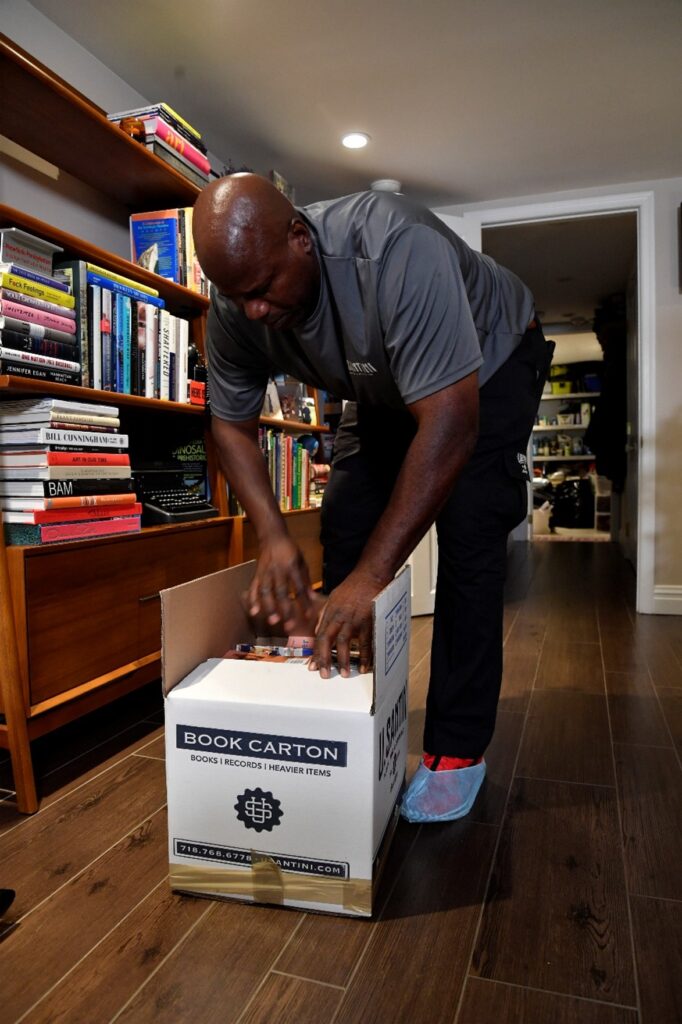
Transform your new Brooklyn house into a home in just 24 hours. U.Santini offers expert tips to create comfort and warmth quickly and easily.
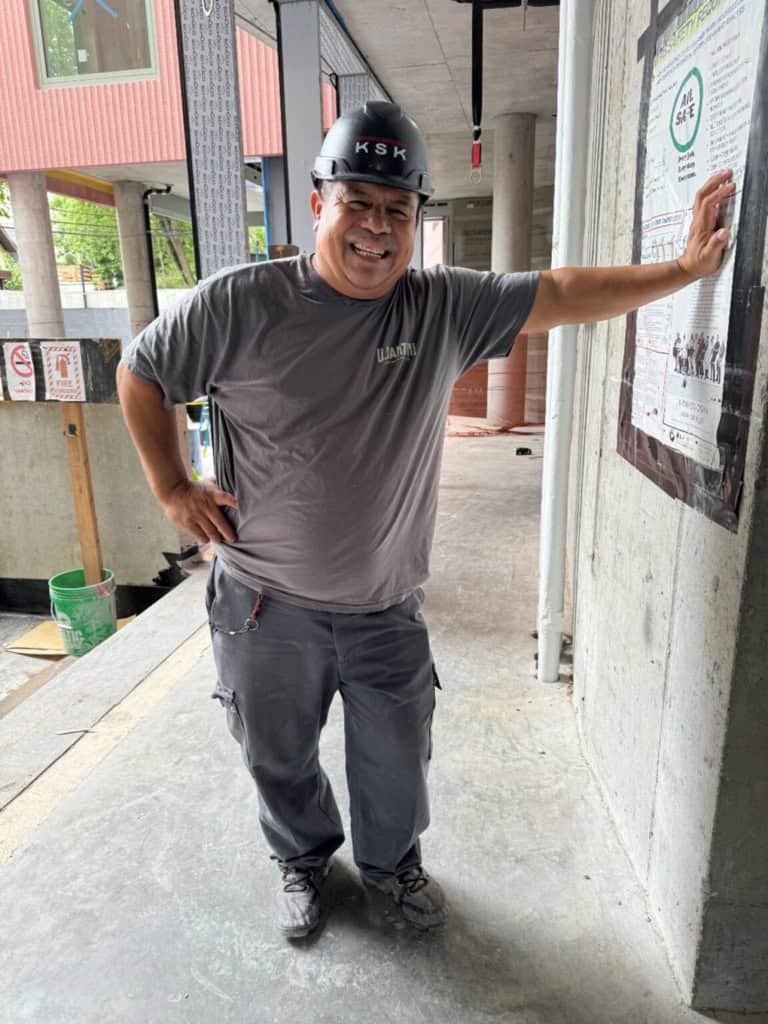
Explore a day in the life of a professional mover in Brooklyn, NY with U.Santini. Discover the challenges and rewards of this demanding profession.